Key takeaways
- Eco cleaning swaps harsh chemistry for non-toxic, biodegradable products, so nothing harmful is left on the surfaces you cook on, eat off or crawl across.
- The health case is the strongest one: fewer headaches and less irritation now, and far less cumulative exposure over the years you live in the house.
- In the UK, “natural” and “eco-friendly” are not regulated words on a cleaning bottle. The ingredients list and an independent certification are what actually tell you.
- Done properly it cleans as well as conventional chemistry — including ovens, which we do with eco products only.
- 3 years+ cleaning London homes with eco-friendly products only
- 5 VOCs worth checking every cleaning label for
- 5 certifications that mean something when a label says “eco”
What is eco cleaning?
Cleaning your home properly without putting anything harmful into it.
Eco cleaning, also known as green cleaning, is a modern approach that uses non-toxic, biodegradable products to eliminate exposure to harsh chemicals and harmful residues such as volatile organic compounds (VOCs). It prioritises human health and indoor air quality, and it supports environmental sustainability by reducing pollution and promoting safer cleaning practices. These are the products and methods we bring into your home.
What are VOCs?
Volatile organic compounds are chemicals that evaporate into the air at room temperature. They are in a great many traditional cleaning products, and once released they do not stay in the bottle, or in the room you sprayed them in.
-
Short-term effects
Irritation of the eyes, nose and throat, headaches and dizziness — the chemical fog that hangs in a bathroom after it has been “properly” cleaned.
-
Long-term effects
Potential damage to the liver, kidneys and central nervous system, and an increased risk of certain chronic illnesses with repeated exposure.
Eco cleaning removes or sharply reduces that exposure by using non-toxic products, which makes a real difference in homes with children, pets, or anyone with asthma or allergies — and in the working lives of the cleaners themselves. For a deeper look at the chemistry, read The Hidden Dangers of VOCs in Cleaning Products.
The different types of eco-friendly cleaning
The terms overlap and get used interchangeably, but they are not the same thing. Knowing the difference is how you tell a genuine service from a label.
-
Eco cleaning
Focused on the products: safe, non-toxic, biodegradable formulas, and no harmful residue left behind.
-
Green cleaning
Goes further than the bottle — cutting plastic waste, refilling rather than rebuying, and a broader commitment to sustainability.
-
Natural or organic cleaning
Handmade solutions such as vinegar and baking soda. Cheap and safe, though limited on heavy grease, old limescale and hygiene work.
-
Probiotic cleaning
The newest of the four: eco products containing beneficial bacteria that carry on breaking down organic matter after you have wiped.
We work mainly in the first two categories, and lean on the fourth where it genuinely performs. More on the sustainability side in reusable bottles and less plastic waste, which sets out the evidence.
Benefits of eco cleaning services
Eco cleaning services go beyond traditional methods by delivering something safer, more sustainable and, in the long run, better for the home itself. Three benefits matter most.
Health benefits
This is the reason most of our clients call us in the first place, and it holds up to scrutiny.
-
Less exposure to harmful chemicals
Traditional products release toxic vapours that cause dizziness, nausea and headaches, and regular exposure over years can lead to more serious problems. Eco-friendly products remove that risk by using safe, non-toxic ingredients instead.
-
Safer surfaces for everyday use
Toxic residue from traditional cleaners stays on a surface long after it has been wiped. In a kitchen that matters more than anywhere else, because those traces travel to food, plates and cutlery — and in a home with a toddler or a dog, to the floor and everything on it.
We go into the health side in detail in our full guide to the benefits of eco-friendly cleaning, including what the research says about indoor air quality.
Environmental benefits
You might not think about it, but cleaning products and their packaging have a significant impact. What is meant to keep our homes healthy often ends up harming the water, the wildlife and the landfill.
-
Waterway contamination
Traditional cleaning products end up in wastewater, where non-biodegradable ingredients such as phosphates and surfactants disrupt aquatic ecosystems. They feed eutrophication, which causes algal blooms that strip the oxygen out of the water and harm marine life.
-
Plastic waste
Single-use plastic bottles are how most cleaning products arrive, and a cleaning company gets through them faster than any household. Eco cleaning cuts that down with refillable containers, concentrates and biodegradable materials, which keeps the load off landfill and out of the sea.
None of this is abstract for a company that buys cleaning products by the crate. It is simply the part of the job nobody sees.
Practical benefits — the surfaces you already paid for
Delicate materials like marble, plaster and upholstery are easily damaged by the harsh chemicals in traditional products, and that damage does not wash off.
What we have walked into
As a cleaning company with years of experience behind us, we have seen the consequences first hand: clients who came to us with marble, natural stone and gold-plated fixtures ruined by bleach, limescale removers or highly acidic chemicals, used by cleaners who did not know what those products do to a surface.
Eco cleaning avoids that entirely. Non-toxic, pH-balanced, surface-safe products clean effectively without attacking the material underneath — which is why an eco clean tends to be the cheaper choice across the life of a kitchen worktop or a stone floor.
Understanding eco cleaning products
At Eco Cleaning London we are careful about what we choose for our clients. If you are buying for yourself, these are the two checks that matter.
1. Read the ingredients
It sounds obvious, but the front of a bottle is marketing and the back of it is information. Even products that call themselves non-toxic can be less toxic rather than safe, and there is no reason to accept “less” when genuinely safe alternatives exist. These are the five VOCs most commonly found in cleaning products, and the ones we will not have in the van:
- Formaldehyde
- Benzene
- Toluene
- Xylene
- Ethylene glycol
2. Look for a real certification
The faster way to tell is to let an independent body do the checking for you. These five are the labels we trust:
- EU Ecolabel
- EcoCert
- Soil Association Certification
- Leaping Bunny
- Green Seal
Worth knowing before you shop
In the UK, terms like “natural” and “eco-friendly” are not currently regulated for cleaning products. A label can carry either word, or an official-looking badge of its own invention, while the ingredients inside are not safe at all. The certification and the ingredients list are the only two things that settle it.
Complicated? We know — it took us a long time, and a lot of rejected products, to build a kit we trust. Here is what we ended up with.
Eco-friendly cleaning vs traditional cleaning
Do natural cleaning products work?
Yes — and as a professional eco-friendly cleaning company, we have the ovens to prove it.
Eco-friendly products sometimes ask for a little more effort and a little more patience, especially on tough stains and old grime. But the results are worth it. We clean ovens using purely eco-friendly products and methods, a job widely considered one of the hardest in cleaning, and the same goes for the other tasks where harsh chemicals are assumed to be the only option.
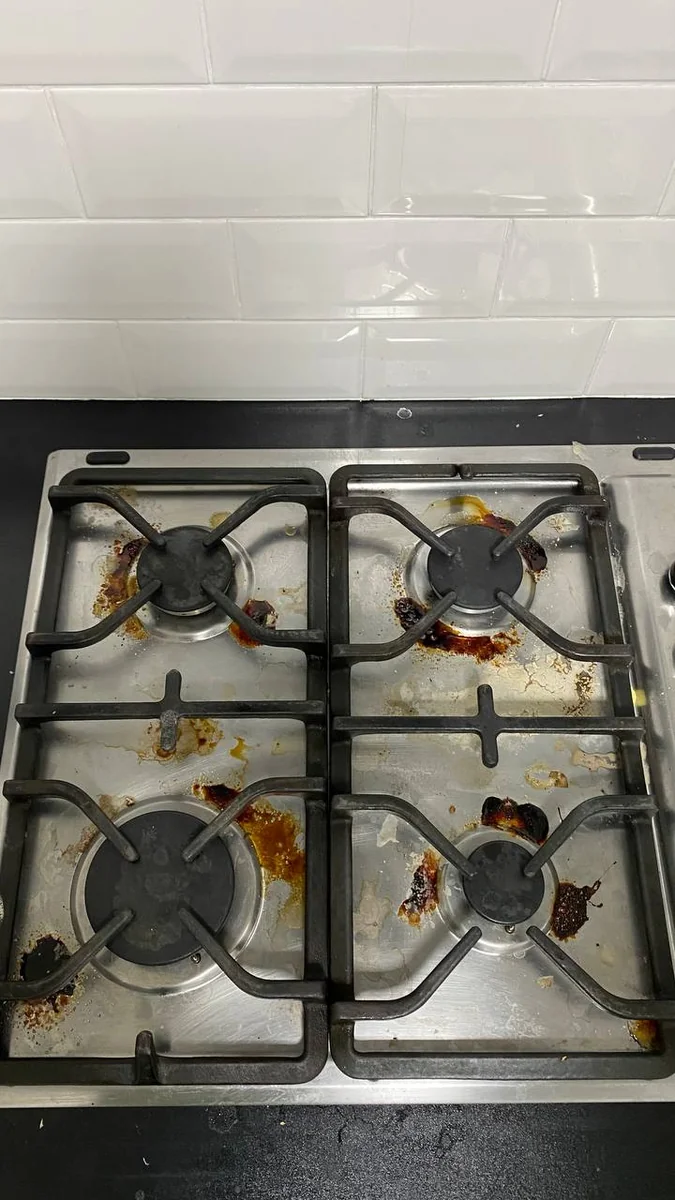
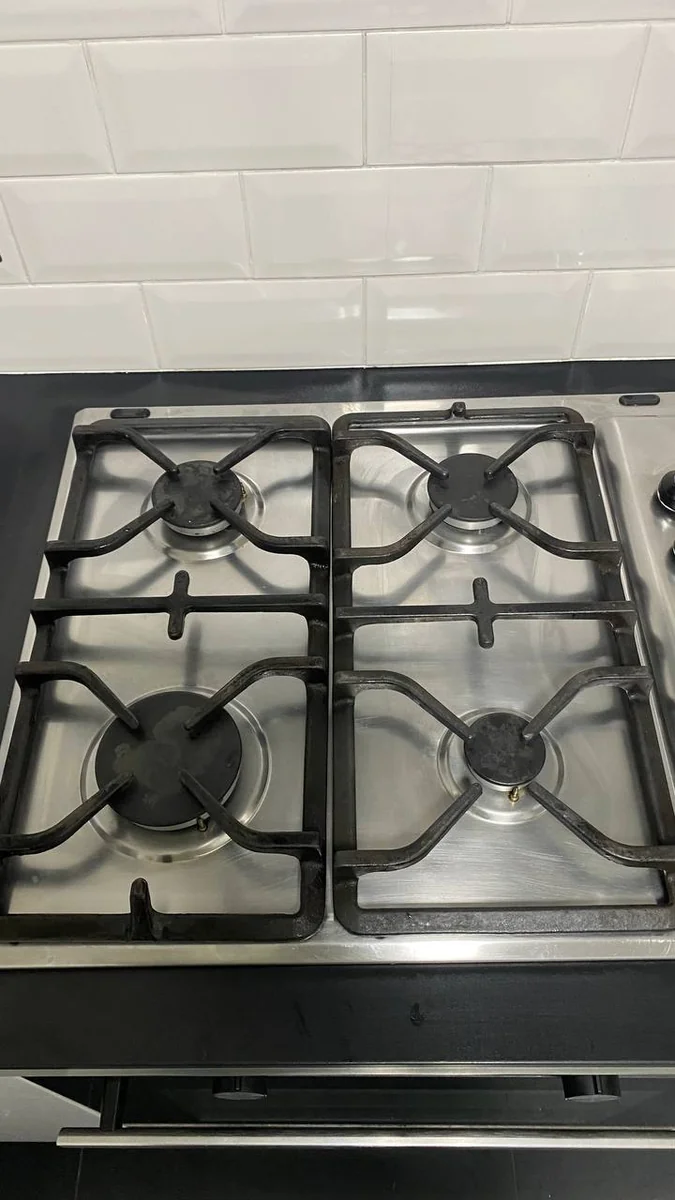
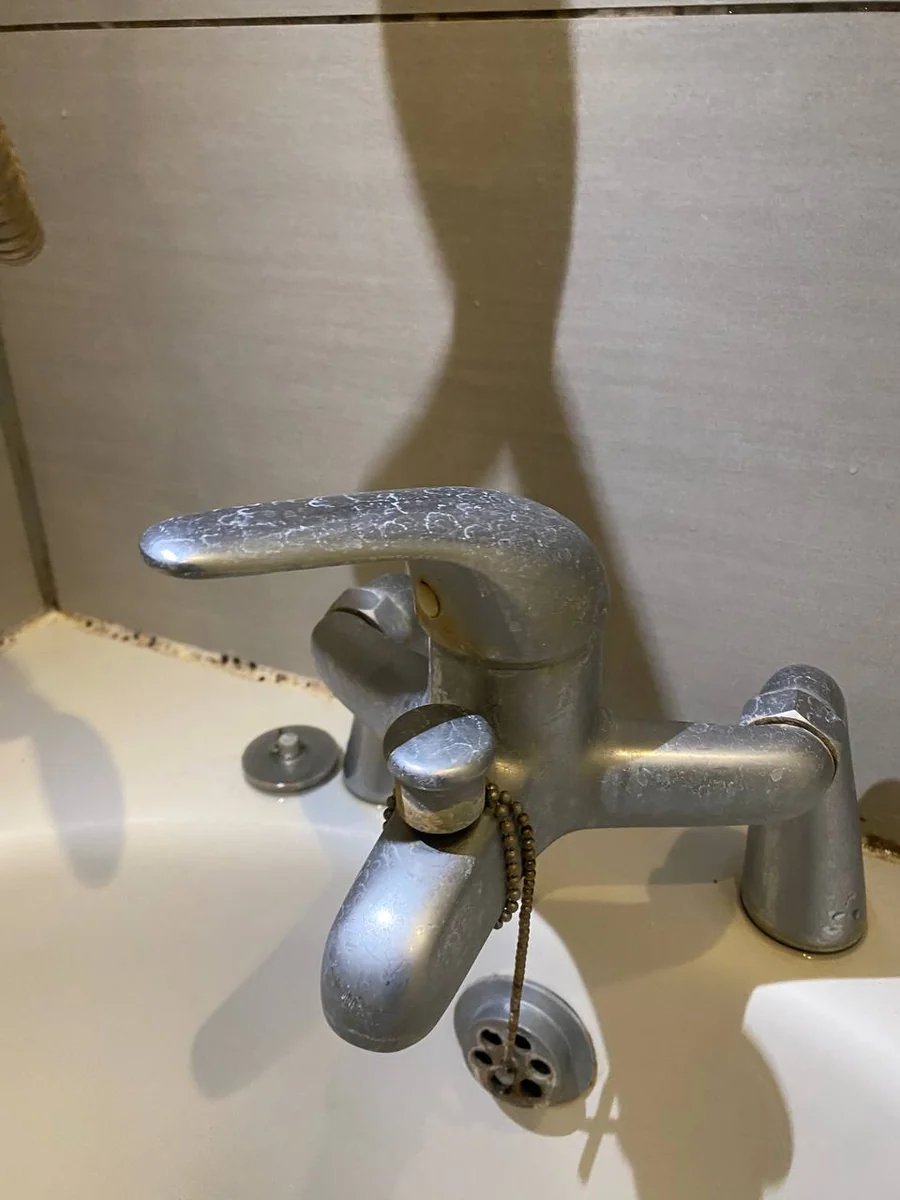
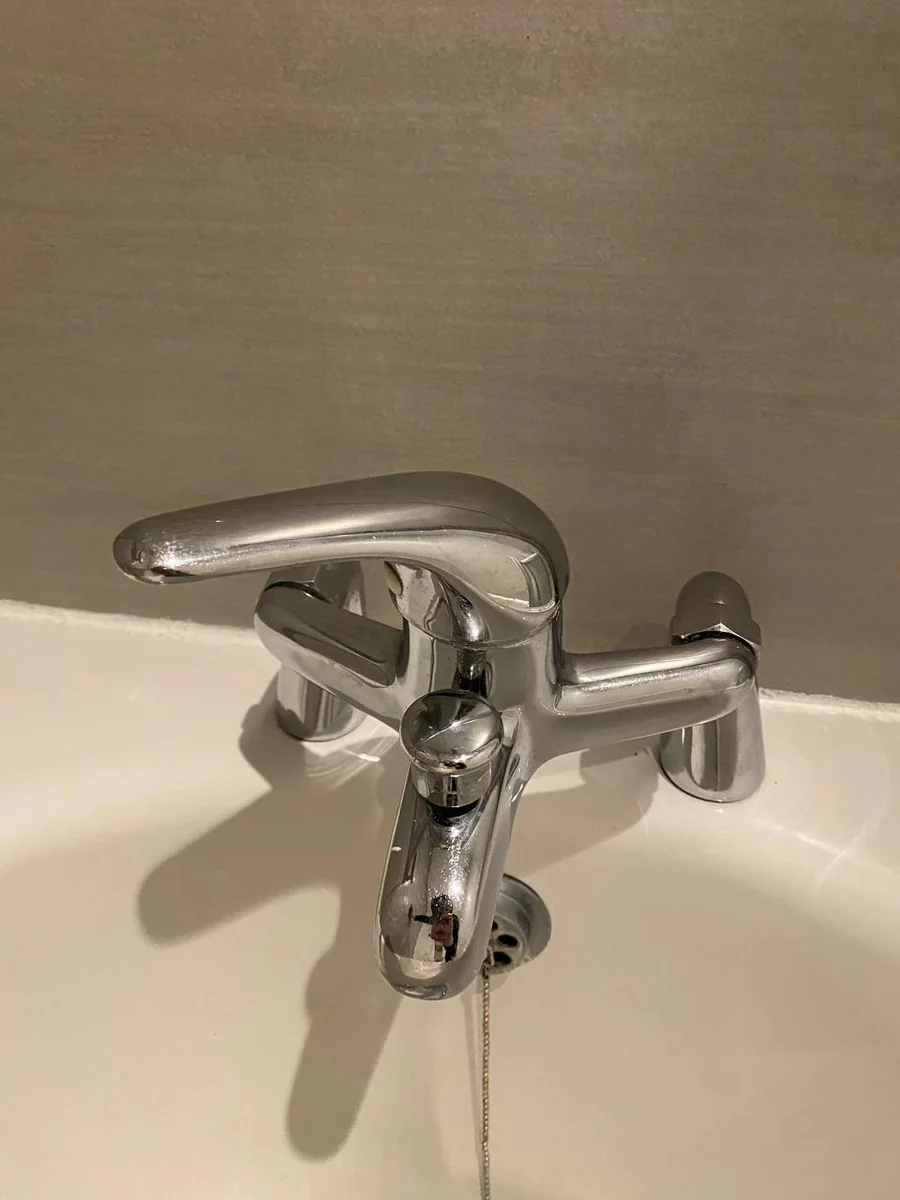
More before and after photographs from our own jobs — grease and limescale, both done with eco products only.
Strong smell, strong residue
Quick on the worst grime, at the cost of air quality, surface damage and gloves you cannot work without.
Same result, nothing left behind
A little more dwell time on the hardest jobs, and a room that is genuinely clean rather than chemically perfumed.
There is one more difference that is easy to miss. Eco-friendly products are gentle enough for most people to use without gloves, with no irritation and no harm to normally sensitive skin, because they are free of harsh chemicals like bleach and ammonia. That makes them safer for you, for your family, and for the person doing the cleaning week after week.
Questions we are asked
What is eco cleaning?
Cleaning with non-toxic, biodegradable products instead of harsh chemistry. It removes exposure to harmful residues and VOCs, which protects indoor air quality and the people breathing it, and it puts far less pollution into the water system afterwards.
Do natural cleaning products actually work?
Yes. Some jobs take a little more dwell time and a little more effort, particularly heavy grease and old limescale. We clean ovens — one of the hardest jobs there is — with eco products and methods only, and the results hold up next to any conventional clean.
Is a product labelled “natural” the same as eco-friendly?
No. In the UK those words are not regulated for cleaning products, so a label alone guarantees nothing. Read the ingredients, and look for an independent certification such as EU Ecolabel, EcoCert, Soil Association, Leaping Bunny or Green Seal.
Are eco cleaning products safe around children and pets?
That is the main reason people switch. Conventional cleaners leave residue on floors, worktops and toys that a child or a pet can ingest, and their vapours linger in the room. Non-toxic products remove both risks.
Will eco products damage marble, hardwood or upholstery?
The opposite. Harsh, highly acidic or bleach-based cleaners etch stone, strip finishes and shorten the life of delicate materials. pH-balanced eco formulas clean those surfaces without attacking them.
Do I need to supply cleaning products?
No. We bring professional eco-friendly products and equipment to every visit, included in the price rather than added to your invoice.
The bottom line
Eco cleaning is not a softer version of cleaning. It is the same standard of clean, arrived at without filling your home with chemistry you would not choose to breathe, and without quietly wearing out the surfaces you paid for.
That is why it is where home maintenance is heading — and why we built a whole company around doing it properly, rather than adding the word “eco” to a price list.
This is how we clean, every visit
Professional eco-friendly products and equipment come with every clean we do — never an extra line on your invoice.
Book a regular home clean, a one-off deep clean or an end of tenancy clean.